
Smoking cessation may reduce opioid prescriptions: Study

In an opioid overdose, a medicine called naloxone can be given by emergency responders, or in some states, by anyone who witnesses an overdose. Preventing OUD requires that healthcare professionals pay attention to details. Patients also need OUD screening to ensure appropriate treatment and to prevent opioids from entering the illicit market.
Drugs for Addiction
The Food and Drug Administration (FDA) has approved three medications—methadone, buprenorphine, and naltrexone—for the treatment of OUD. Opioids are a class of naturally occurring (opiates) and manufactured chemicals (opioids) that are frequently prescribed to relieve pain. They are typically prescribed following surgery or serious injury, or to manage long-term pain caused by cancer and other conditions. Sometimes they are used as cough suppressants or to alleviate diarrhea. An opioid overdose can happen when a person takes too much of an opioid or a combination of opioids and other drugs.
- Opioids can be made from the poppy plant — for example, morphine (Duramorph, MS Contin, others).
- If you’ve been on methadone, it may take a day and a half for symptoms to begin.
- Opioid use — even short term — can lead to addiction and, too often, overdose.
Drug addiction (substance use disorder)
- If you suspect someone is experiencing an overdose, call 911 immediately.
- “Opioid overdoses can be lethal if you don’t provide quick medical treatment,” Lejeune said.
- It’s not like stage hypnosis, which uses a volunteer’s suggestible mental state to entertain an audience.
- The most effective treatments for opioid use disorder include the combined use of medication and behavioral treatment.
Further, these studies often found that opioids worsen symptoms through opioid-induced hyperalgesia. Both legal substances (such as alcohol and nicotine) and illegal substances (such as heroin and cocaine) can lead to an SUD if used regularly. Even prescription and over-the-counter medications (such as some painkillers, sleep aids, and cough medicines) can be misused, which may also lead to an SUD. Seeking help for opioid addiction will improve your overall health and reduce your risk of relapse, accidental overdose, and complications related to opioid addiction. It’s also important to note that some people may experience other withdrawal symptoms not listed here. This is why it’s important to work with your doctor during the withdrawal period.
Outpatient and Residential Substance Use Disorder Treatment
They may be combined with other forms of treatment, or you may need to try more than one to find one that works for you. The treatments discussed in this article are supported by scientific evidence that demonstrates their effectiveness. However, keep in mind that a particular treatment won’t necessarily work for everyone, particularly when it’s used apart from other necessary opioid addiction treatment treatments.
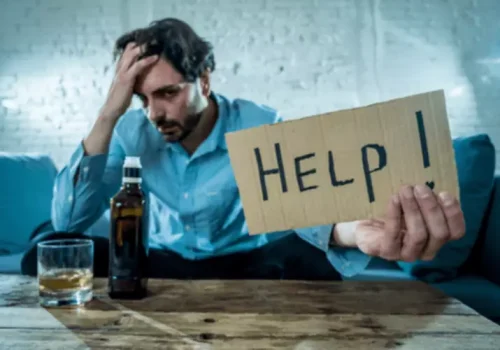
What are the complications of opioid withdrawal?
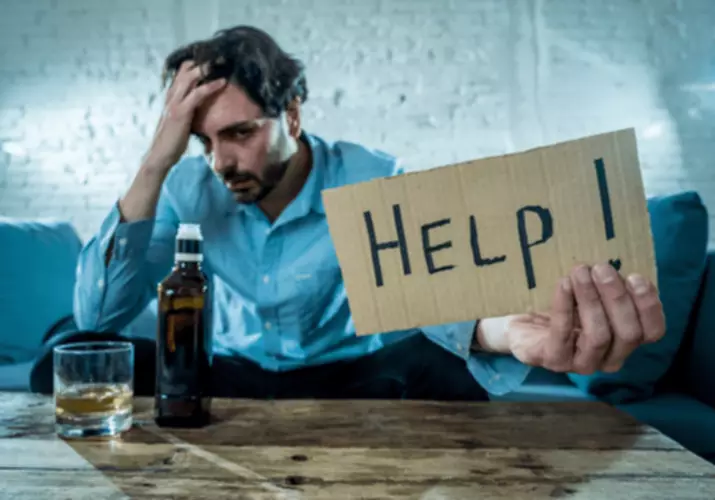
Now, when people say “opioid,” they are usually referring to any substance that is naturally or synthetically derived from the poppy. Outpatient treatment generally refers to all services that allow the person to live at home while attending treatment and receiving services at the treatment center. Multiple outpatient levels of care exist, and treatments can range anywhere from 30 hours a week to one hour each month. The treatment team will work to coordinate the amount of care that fits the client’s needs. If you or someone you know is experiencing withdrawal symptoms, it is important to seek medical attention. As prenatally opiate–exposed children grow, preliminary reports show a prevalence of conduct issues and emotional disturbances in small children.
Opioid use disorder is a medical condition
If you suspect a family member or a friend is using opiates, you may begin to see changes across their life. Opiate drugs affect the same brain receptors and have the same effects on the central nervous system. However, while the term “opiates” only describes natural drugs, “opioids” is used as an umbrella term for both natural opiates and synthetic opioids.
- Relapse rates for drug use are similar to rates for other chronic medical illnesses.
- Dr. Geyer views opioid stewardship as a central tool to prevent opioid addiction.
- In addition, its research base for efficacy in addictions is much less than for other established treatments.
- Seeking help for opioid addiction will improve your overall health and reduce your risk of relapse, accidental overdose, and complications related to opioid addiction.
- Therefore, these treatments should be part of a comprehensive treatment plan that is consistently followed before, during, and after the person quits opioids.